Business taxes, tariffs and economic relief are taking centre stage as British Columbia’s provincial election campaign continues.
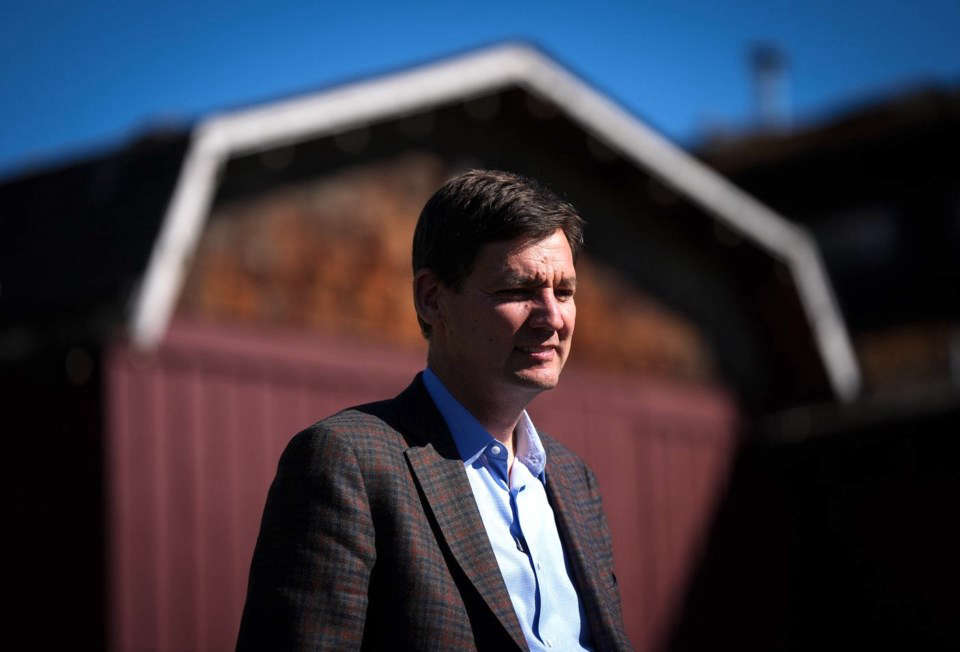
NDP Leader David Eby says his party would create a $500-million Small Business Tariff and Wildfire Relief Fund if returned to government.
The program would provide qualifying small and medium-sized businesses affected by American tariffs or wildfires with interest-free loans of up to $1 million. The loans could be repaid over a maximum of 72 months.
The NDP is also promising a refundable tax credit of up to $5,000 for small businesses that hire a worker between the ages of 18 and 30.
B.C. Conservative Leader Lorne Doerkson is taking a different approach, promising to remove the provincial sales tax from machinery, equipment and software purchased by businesses.
Doerkson argues the tax discourages companies from investing and expanding.
His party is also proposing reductions to regulatory requirements faced by businesses.
B.C. Green Leader Emily Lowan is promising protections against large commercial-rent increases, along with new tools intended to address commercial properties that remain vacant for extended periods.
The Greens say those measures would be supported partly through a proposed wealth tax targeting individual fortunes exceeding $50 million.
British Columbians will cast their ballots in the provincial election on Saturday, October 24.
 Thanksgiving Closures Planned Across Campbell River And Comox Valley This Weekend
 More Advance Voting Opportunities Ahead Of Local And Provincial Elections
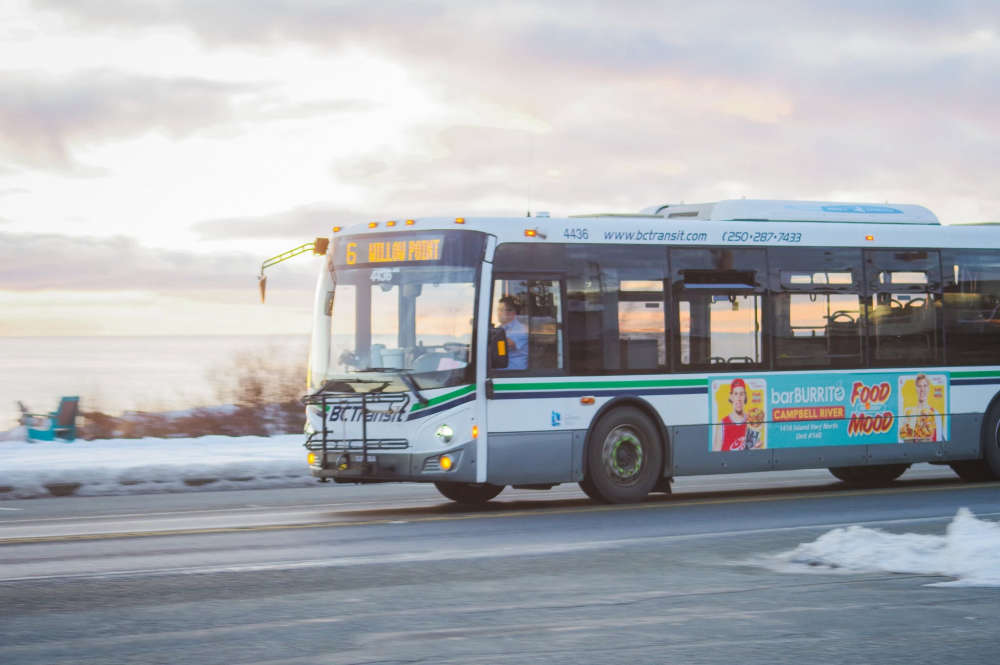 BC Transit To Offer Free Transit Offered On Local Election Day
 Free Parenting Speaker Series Returning To Comox
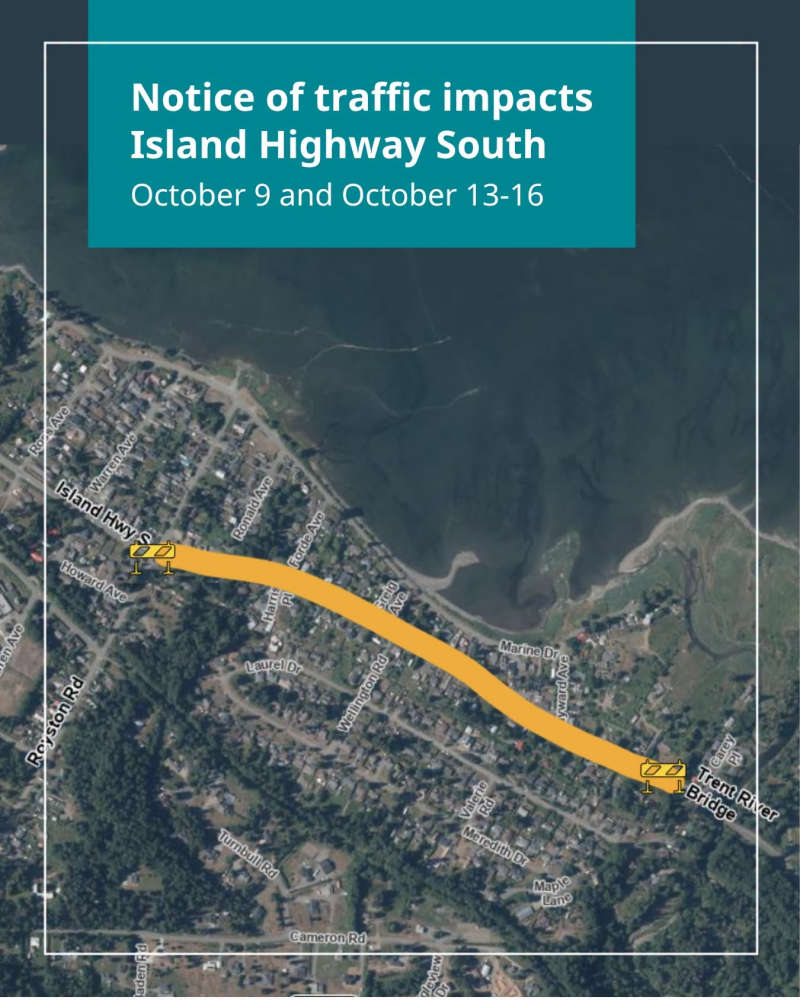 Highway 19A Work To Cause Possble Delays South Of Courtenay