

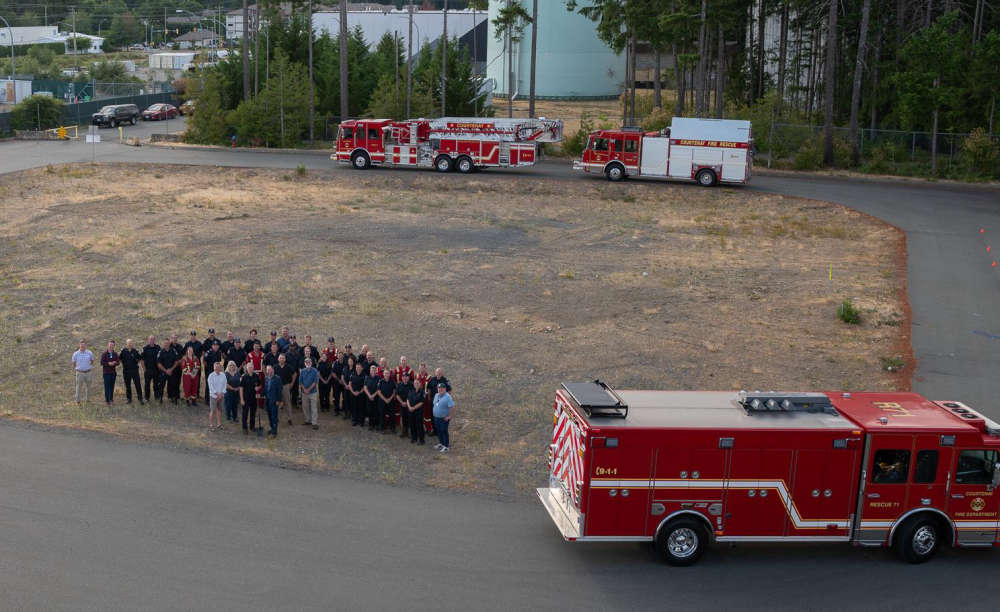
The new East Courtenay Fire Hall has reached a major milestone, with all contracts now finalized and construction set to begin this summer.
Years in the making, the fire hall will be located at 220 Waters Place, near Lerwick and Ryan roads.
Construction is expected to be completed by the end of next year.
The fire hall is designed to improve emergency response times for a growing area of the City, increase volunteer firefighter capacity, meet the highest seismic standards, and operate as a fully electric, zero-carbon facility.
Today, about half of the city's population lives east of the Courtenay River. Courtenay is expected to grow by 4,500 residents and 2,900 homes by 2031, much of it in the furthest area from the existing downtown fire hall.
The facility will include two bays capable of housing up to four emergency vehicles, a fully accessible elevator, dormitory and wellness spaces for firefighters, and a dedicated decontamination area for cleaning equipment after calls.
The estimated construction cost is now $14 million, down $700,000 from the estimate presented to Council in April.
While the new fire hall is planned to be funded through borrowing, the City will continue to pursue grant opportunities to help offset project costs.
Courtenay Fire Chief Kurt MacDonald says the new hall means more volunteers from a growing part of the City, faster response for residents when it matters most, and a facility built to the highest seismic and training standards for firefighters in the community.
The hall’s location increases volunteer firefighter capacity from 55 to 67.
For details, visit City of Courtenay.
 Campbell River RCMP Investigating Downtown Vandalism
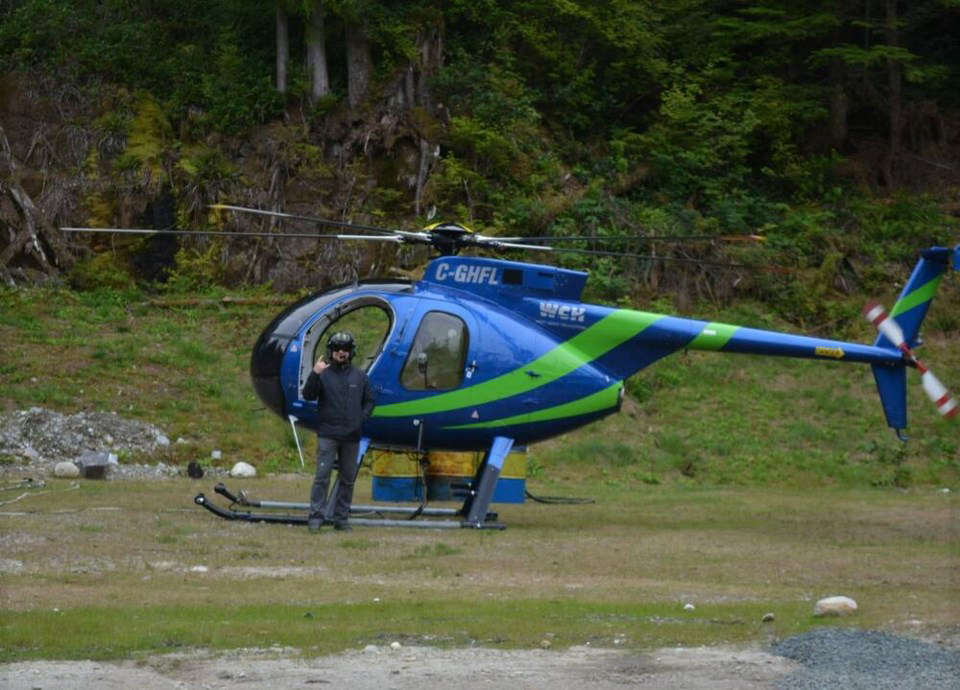 442 Transport And Rescue Squadron Responds To Helicopter Crash
 Arden Active Transportation Bridge Opens
 Province Urging People To Conserve Water As Drought Risk Grows
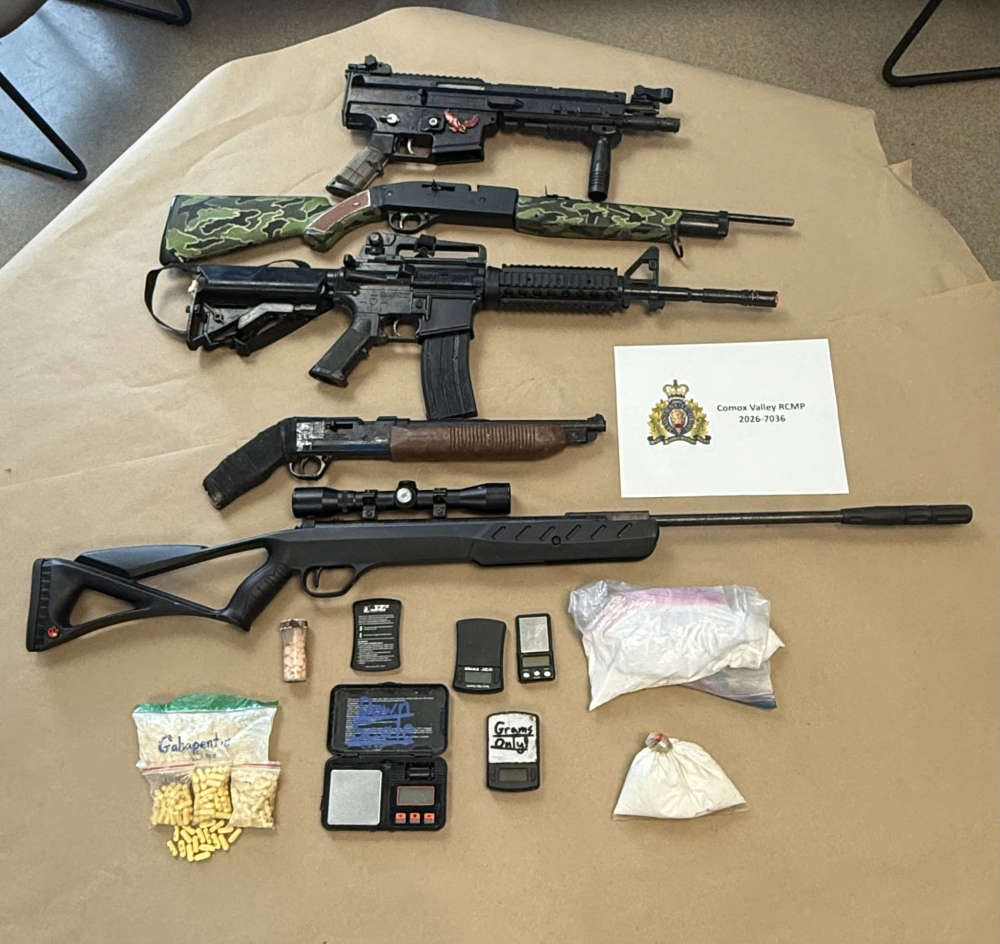 Comox Valley RCMP Seize Drugs, Cash And Replica Firearms In Several Trafficking Investigations