
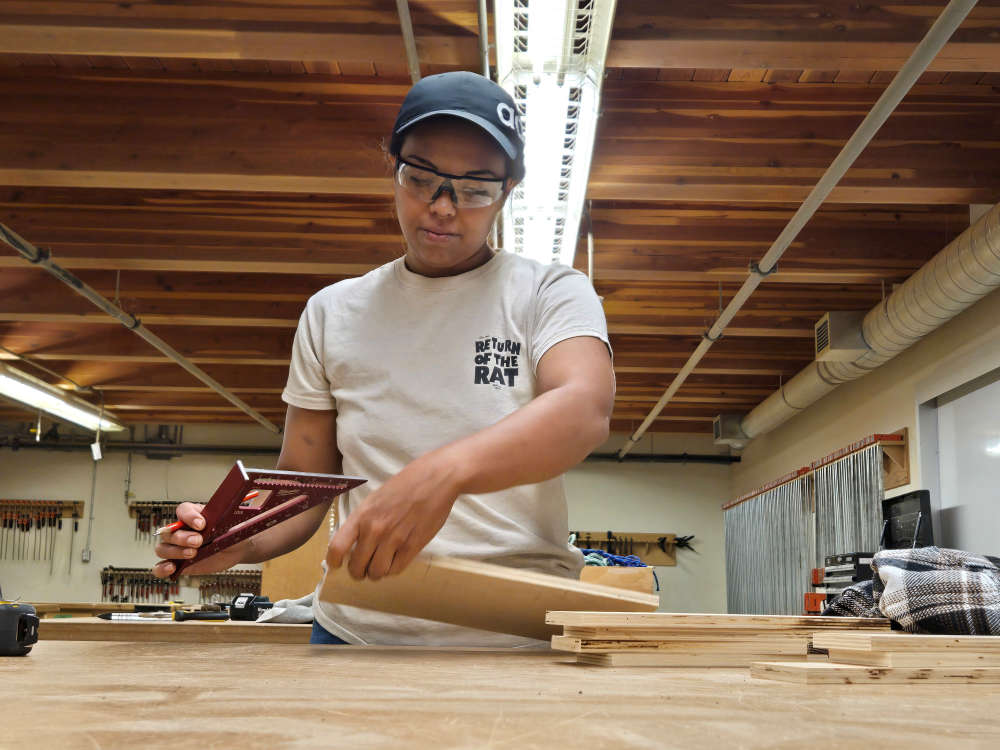
A new partnership is set to open more doors for trades students at North Island College.
The North Island College Foundation has announced a $1 million commitment from B.C.-based real estate development company Highstreet, aimed at supporting students entering skilled trades programs.
The company will contribute $100 thousand a year over the next 10 years, marking the largest donation ever made to support programming and students at the college.
NIC says the funding will help reduce financial barriers and encourage more students to pursue careers in construction and other skilled trades.
Support will include entrance scholarships for high school graduates entering construction trades programs, diversity-focused scholarships for foundation-level students, and apprenticeship funding for carpentry, electrical and plumbing students.
Part of the funding will also go toward Youth in Trades workshops, giving secondary school students hands-on experience and exposure to career opportunities in the trades.
NIC says the initiative, called Building Opportunities Together, is designed to expand access to training, strengthen recruitment of young people, and help build a skilled workforce for rural communities across the region.
The College says the partnership will also help create more inclusive pathways into the trades, with support aimed at women, Indigenous learners, and students from underrepresented communities.
To learn more, visit North Island College.
 Wildfire Update
 Partial Road Closure on Hilchey Road for Work on Bike Lanes
 Harrogate Road and Erickson Road Intersection Closure Extended to September 4th
 Comox Valley RCMP warns about fake social media posts
 RibFest at Village Park August 21-23