


The B.C. government says the provincial economy remains resilient despite ongoing U.S. tariffs, a costly wildfire season and continued global uncertainty.
“We know that U.S. tariffs and global instability are creating uncertainty for workers and communities across B.C.,” said Josie Osborne, Minister of Finance.
“But B.C. is adapting, our exports are growing and we are reaching markets around the world. We continue to work with the federal government to protect the services people rely on and build a stronger, more self-reliant economy.”
The Province’s latest quarterly report forecasts $86.3 billion in revenue—nearly $790 million more than projected in Budget 2026.
However, B.C.’s deficit is now expected to reach $13.8 billion, approximately $450 million higher than previously forecast.
The increase is partly due to wildfire-management costs exceeding the budget by more than $600 million.
B.C.’s economy is forecast to grow by 0.9 per cent this year before strengthening to 1.9 percent in 2027.
The Province says businesses are also finding new international customers as U.S. tariffs continue to create uncertainty. Exports to countries outside the United States have increased by 16 percent this year, with businesses expanding trade in China, South Korea and India.
Overall goods exports were up more than four per cent through July, while manufacturing shipments increased by nine per cent through June.
Despite those gains, the government says the forestry, aluminum and manufacturing sectors remain vulnerable to additional U.S. tariffs.
To learn more, visit Government of British Columbia.
 Cumberland Man Pleads Guilty To Murder In Cyclist’s Death
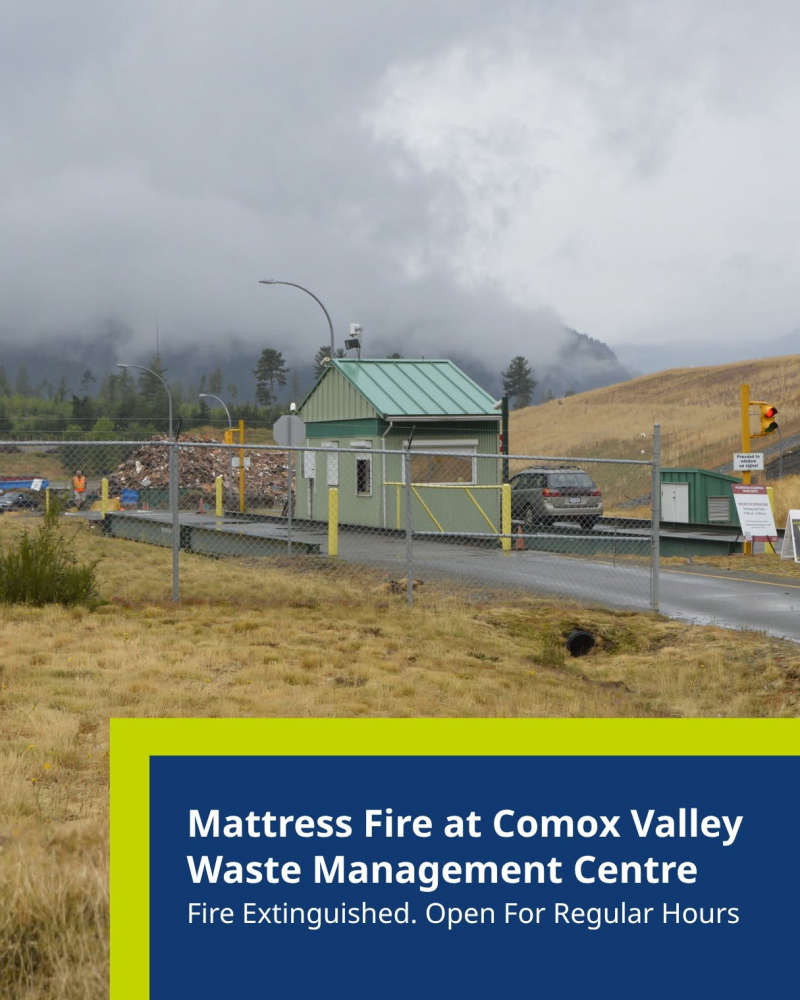 Firefighters Called To Blaze At Cumberland Landfill
 Campbell River Educator Publishes Children’s Book Celebrating Indigenous Identity
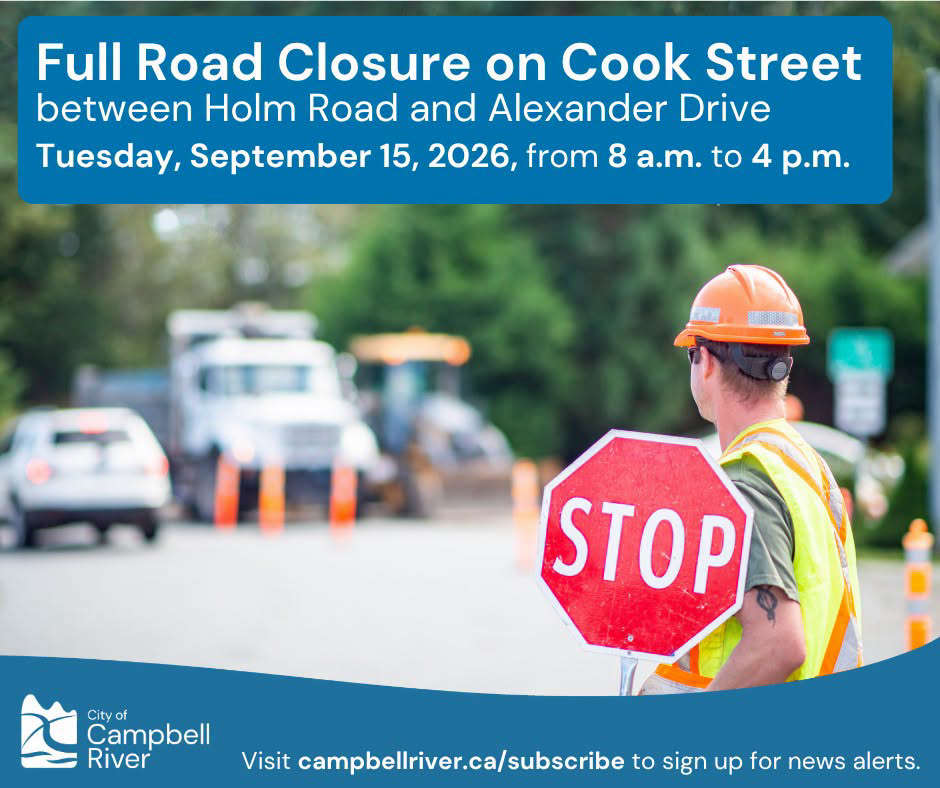 Cook Road Closed Today For Water Service Repair
 MLA Donegal Wilson Joins New Party