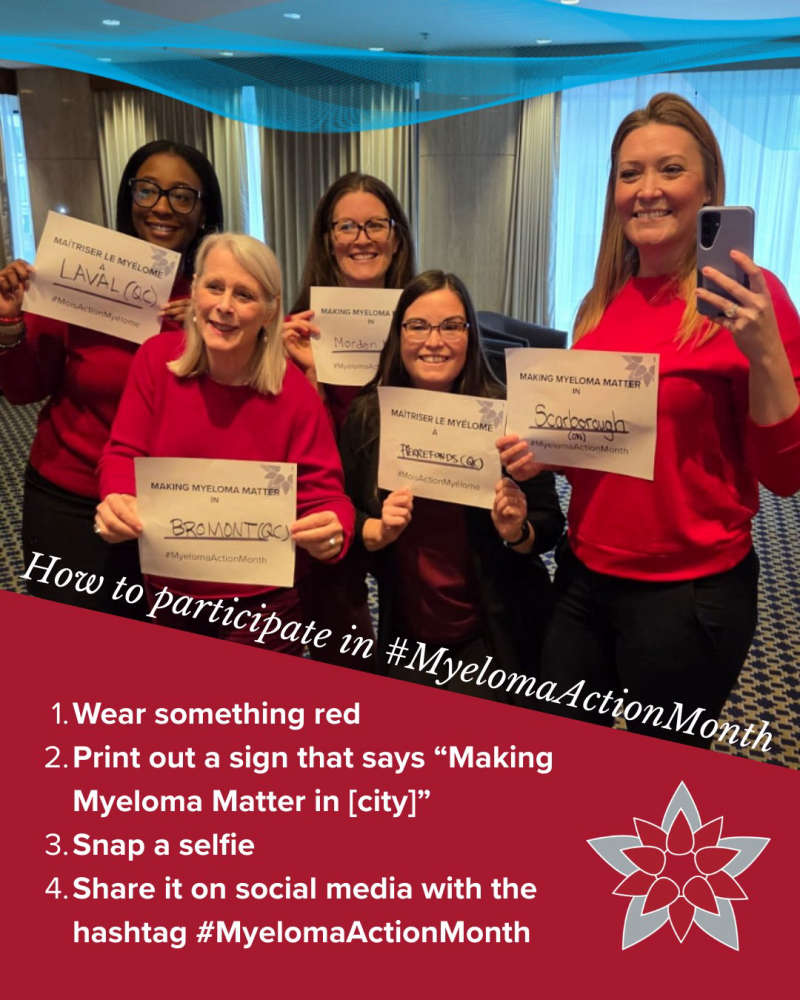
It is Myeloma Action Month and a Homalco First Nation resident and elder, who wishes to remain anonymous, is looking to raise awareness about the blood cancer that often goes unrecognized until serious damage has already been done.
Myeloma is the 2nd most common form of blood cancer, when plasma cells become cancerous and interfere with the production of healthy blood cells in the bone marrow.
Her symptoms began in December 2023 with severe back pain that she says felt very different from the arthritis pain she had lived with for years.
After months of X-rays, appointments, and therapy, an MRI revealed compression fractures throughout her spine, along with lesions in several bones.
Further testing confirmed she had aggressive multiple myeloma.
Treatment began in October 2024, followed by a stem cell transplant in March of last year.
Her cancer is now in remission, but the damage to her bones and spine is permanent, leaving her with chronic pain and mobility challenges.
She says she is sharing her experience during Myeloma Action Month to help others recognize the signs earlier and push for answers.
Support is available through Myeloma Canada, the North Island Myeloma Support Group, and the International Myeloma Foundation.
The North Island Multiple Myeloma Support Group welcomes all MM patients, their caregivers and friends, to join in a positive environment, centered around mutual support and keeping up with the latest developments in treatment and care.
For more information about Myeloma Action Month 2026, visit Myeloma Canada.
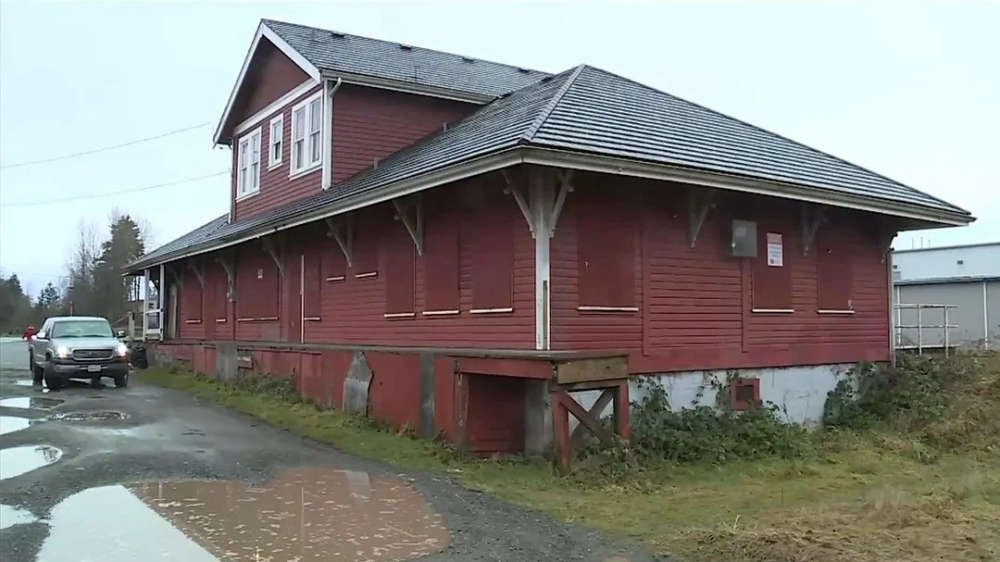 Comox Valley RCMP Seeking Information From Late 1980s, Early 1990s
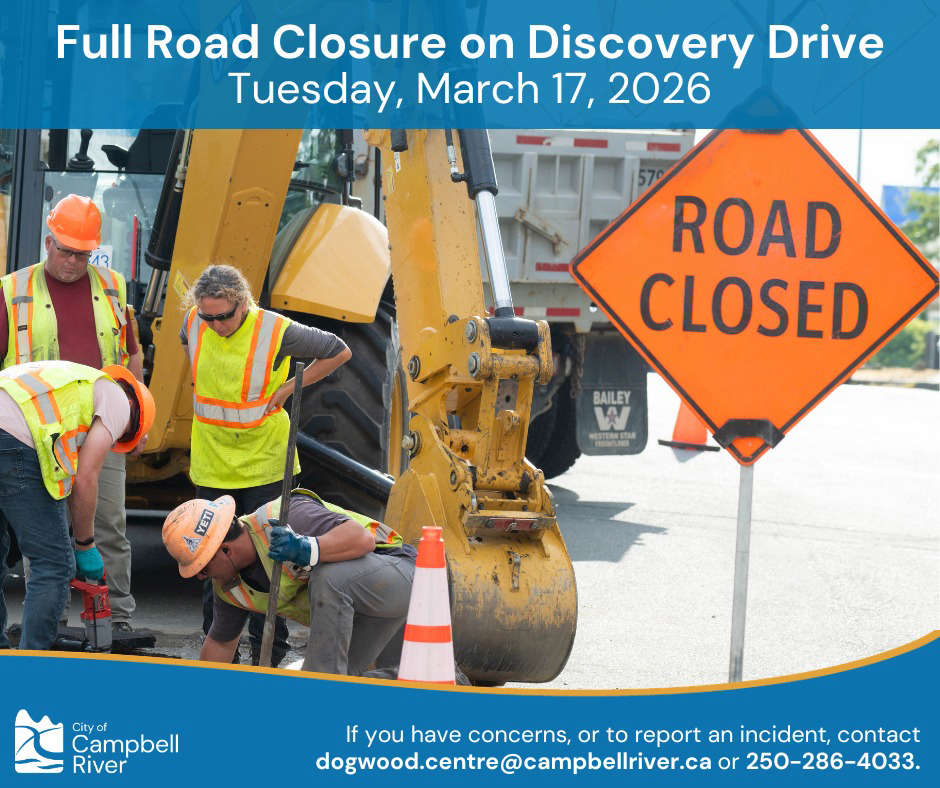 Traffic Disruptions for Highway 19A and Discovery Drive
 Province Preparing For 2026 Wildfire Season
 Rotary March For Children Raises $15,600
 Flag-Rasing At Spirit Square Today To Mark Francophonie Month