


People across B.C. are reminded to take steps to protect themselves when wildfire smoke causes air quality to deteriorate.
Health officials say the best way to reduce both short-term and long-term health risks from wildfire smoke is to limit exposure.
Short-term exposure can cause headaches, irritated eyes, sore throats, coughing and wheezing. Smoke can also make existing heart and lung conditions worse.
Over the long term, repeated exposure to wildfire smoke can contribute to chronic health problems, including heart disease and dementia.
People at greater risk of serious health effects include those with asthma, heart disease or diabetes, as well as pregnant people, infants, young children and older adults.
At home, people can create a clean-air space by keeping windows and doors closed and using a portable air cleaner or an appropriate HVAC filtration system, as long as the indoor temperature remains comfortable.
When smoke levels are high, people are encouraged to spend less time outdoors and avoid strenuous exercise. Indoor public spaces such as libraries, community centres and shopping malls can also provide cleaner, cooler air.
Community members should also check with their local government or First Nation to find out whether clean-air spaces have been established in their community.
People are reminded that extreme heat can pose a greater health risk than smoke. When temperatures are high and air quality is poor, staying cool is especially important.
Outdoor workers should follow workplace guidance for working in wildfire smoke.
In an emergency, you are always advised to call 911.
To learn more, visit Government of British Columbia.
 Open Cockpit Day At 19 Wing Heritage Air Park
 Campbell River Fall Recreation Guide Now Available
 Port Alberni Transit Shifting To All Light-Duty Bus Fleet
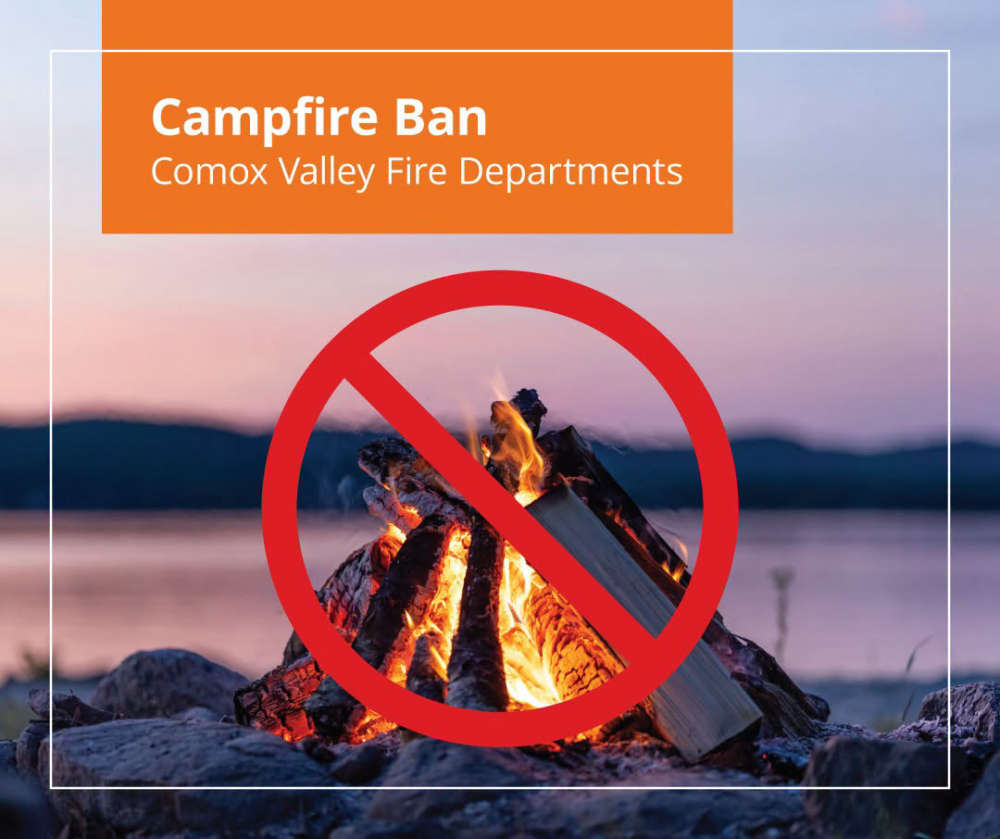 Campfire Ban Expanded Across Comox Valley Fire Protection Areas
 Comox Valley Regional District Introduces New Stage 5 Water Restrictions