

The transition to a modernized 9-1-1 network is now complete across much of British Columbia.
E-Comm and its project partners completed the final phase of the move to Next Generation 9-1-1 on Tuesday, with BC Emergency Health Services dispatch centres among the last to make the switch.
The phased transition began on September 22nd, with communities on Vancouver Island among the first to join the new digital network. The rollout then continued through the Interior, northern B.C. and the Lower Mainland before police, fire and ambulance services completed their transitions.
E-Comm says the project represents the largest implementation of Next Generation 9-1-1 in Canada, involving 25 regional districts, 71 police and fire agencies, and several provincial emergency-service partners.
The new system replaces aging analog infrastructure with a modern digital network designed to support current communication technology and future improvements to emergency response.
One feature already introduced is an automated callback system for calls that disconnect almost immediately, before reaching a 9-1-1 operator. The system calls back and gives the caller an opportunity to reconnect if emergency assistance is still needed.
Future upgrades could include real-time texting with 9-1-1, video streaming and more precise caller-location information.
Officials emphasize that the transition does not change how the public contacts emergency services. Anyone experiencing an emergency should continue calling 9-1-1 as usual.
To learn more, visit E-Comm 9-1-1.
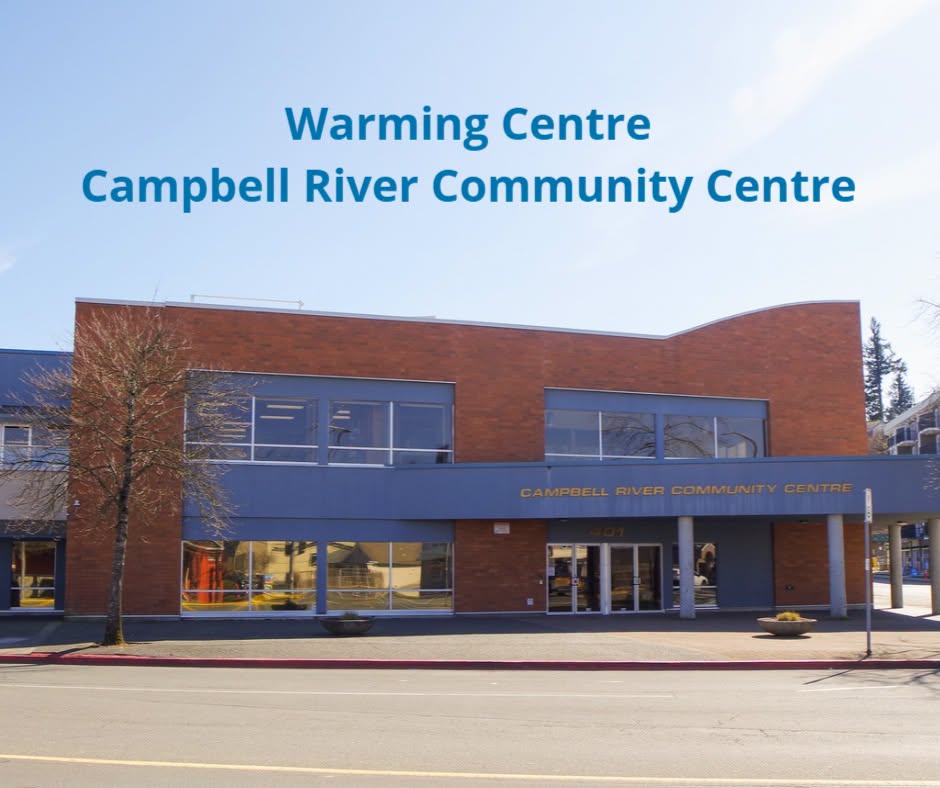 With Freezing Temperatures, City Warming Centre Opens In Campbell River
 Coroner’s Inquest Scheduled Into Death Of Jared Lowndes
 CVRD Board Elects Chair And Vice-Chair
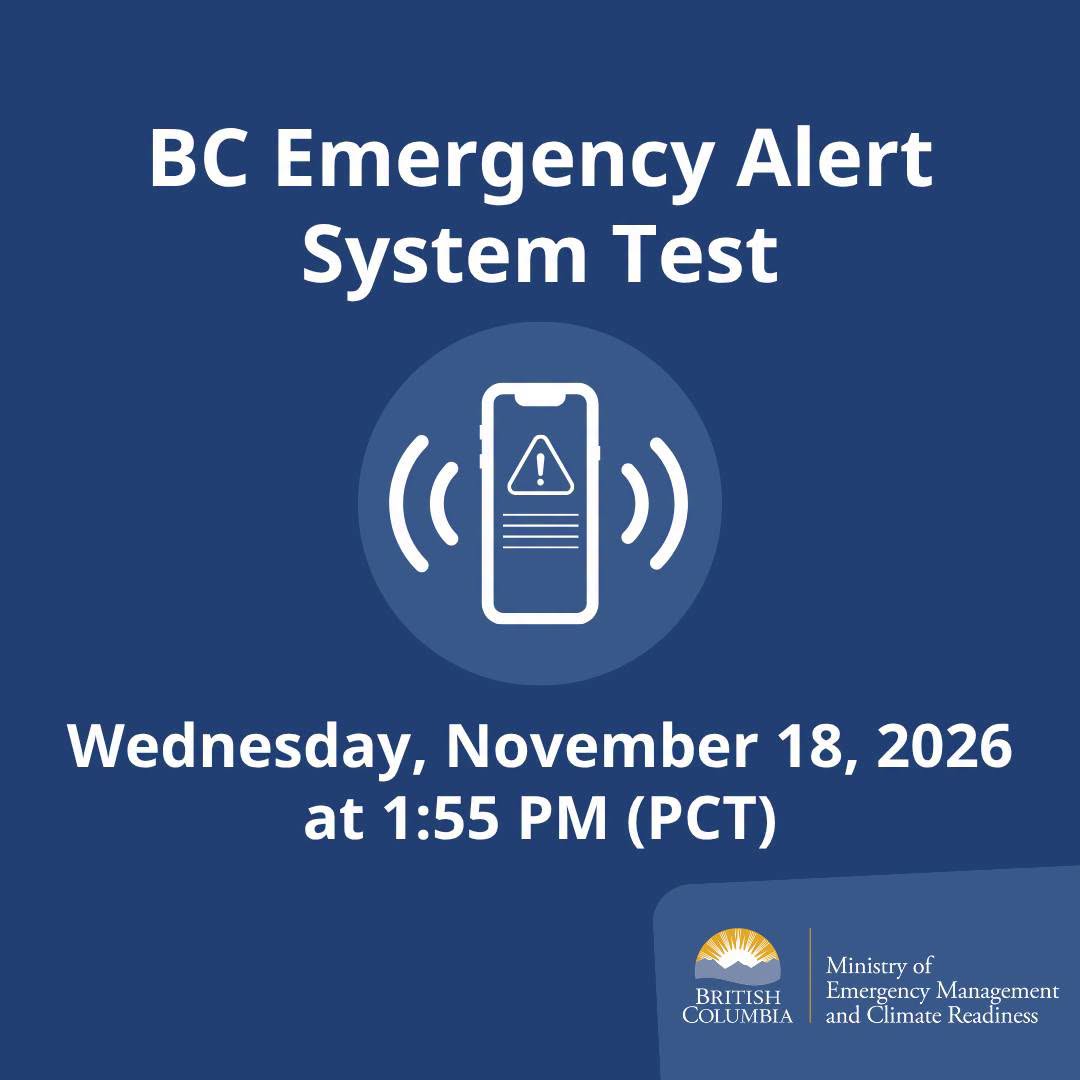 BC Emergency Alert System Test This Afternoon
 Campbell River Collecting Christmas Shoeboxes For Children In Need