
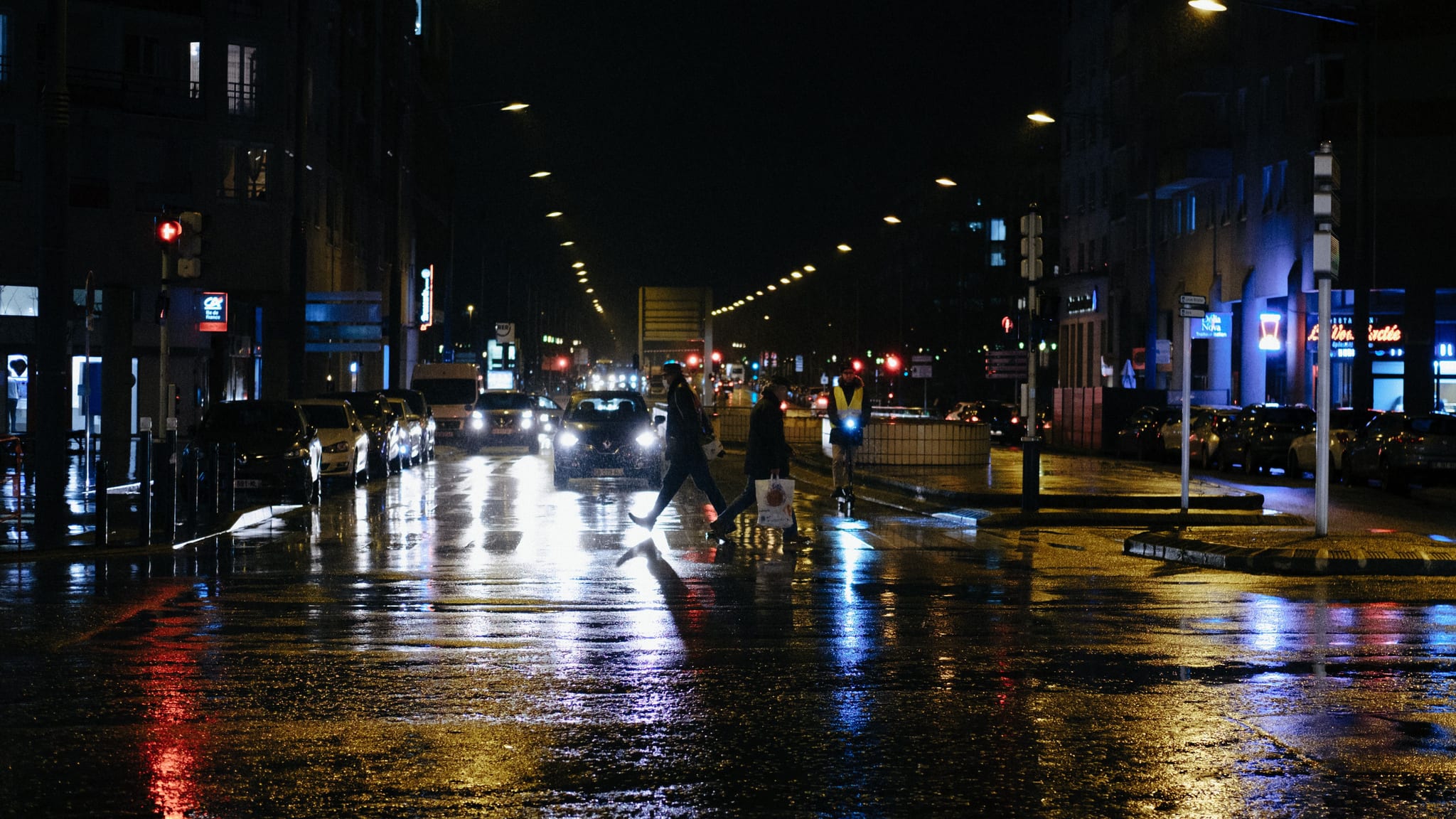
Island Health is reminding people to take extra precautions on the roads as darker morning commutes become more common throughout the fall and winter.
With most of British Columbia now observing permanent Pacific Time, more people are travelling to work, school and appointments in low-light conditions.
Island Health Public Health says pedestrian injuries and fatalities tend to increase during the fall and winter months, partly because reduced visibility makes it harder for drivers to see people who are walking, cycling or using mobility devices.
Medical Health Officer Dr. Melissa Wan says simple changes can help prevent serious injuries.
“We can all take preventative actions to improve visibility, giving others more time to see one another and react safely,” says Wan.
“Whether you're behind the wheel, on a bike, or on foot, slowing down, staying alert and making yourself visible can help create safer journeys for everyone."
Drivers are encouraged to slow down, pay extra attention near crosswalks, intersections and school zones, and ensure all vehicle windows and mirrors are completely clear before setting out.
People walking or jogging should consider wearing reflective clothing, particularly on their wrists and ankles, and make eye contact with drivers before crossing a road.
Cyclists should use a white light on the front of their bicycles and a red light on the back, including during dawn and dusk.
Island Health says improved visibility and greater awareness can give everyone more time to react safely.
According to ICBC, nearly 5,900 crashes on Vancouver Island resulted in an injury or fatality in 2025.
To learn more, visit Island Health.
 Cortes Island Fire Department Achieves New Accreditation To Curb Home Insurance
 Habitat For Humanity Matching Campaign Returns This Month
 Overall Speeding Down For Drive Relative To Conditions Month
 Campbell River RCMP Seeking Missing Woman
 Search Into Missing Vancouver Island Canoer Suspended