


Island Health is receiving $1.3 million over the next 3 years to help seniors and Elders on North Vancouver Island remain healthy and independent in their own homes.
The funding from Health Research BC will support the Thriving in Community program, which aims to reduce social isolation, improve care coordination, and provide practical support before small problems become health emergencies.
"Our Elders carry the knowledge, history, and strength of our communities. Supporting them to remain connected to home, family, and culture is deeply important," said Rosie Dugas, health director from the Gwa'sala-'Nakwaxda'xw Nations.
"This project reflects a shared commitment to working together in ways that are respectful, community-centered, and responsive to the needs of seniors and Elders across the North Island."
The initiative will serve seniors and Elders across North Vancouver Island through partnerships with Indigenous communities, local organizations, and health-care providers.
The program includes an enhanced friendly visiting service, an integrated care team to help coordinate health and community services, and flexible funding to assist with needs such as transportation and home support.
Island Health says the goal is to help older adults stay connected to their communities while reducing avoidable hospital visits.
The project is one of 5 initiatives receiving funding through Health Research BC's seniors' health research program, which is investing a total of $6.3 million across British Columbia.
For more information, visit Island Health.
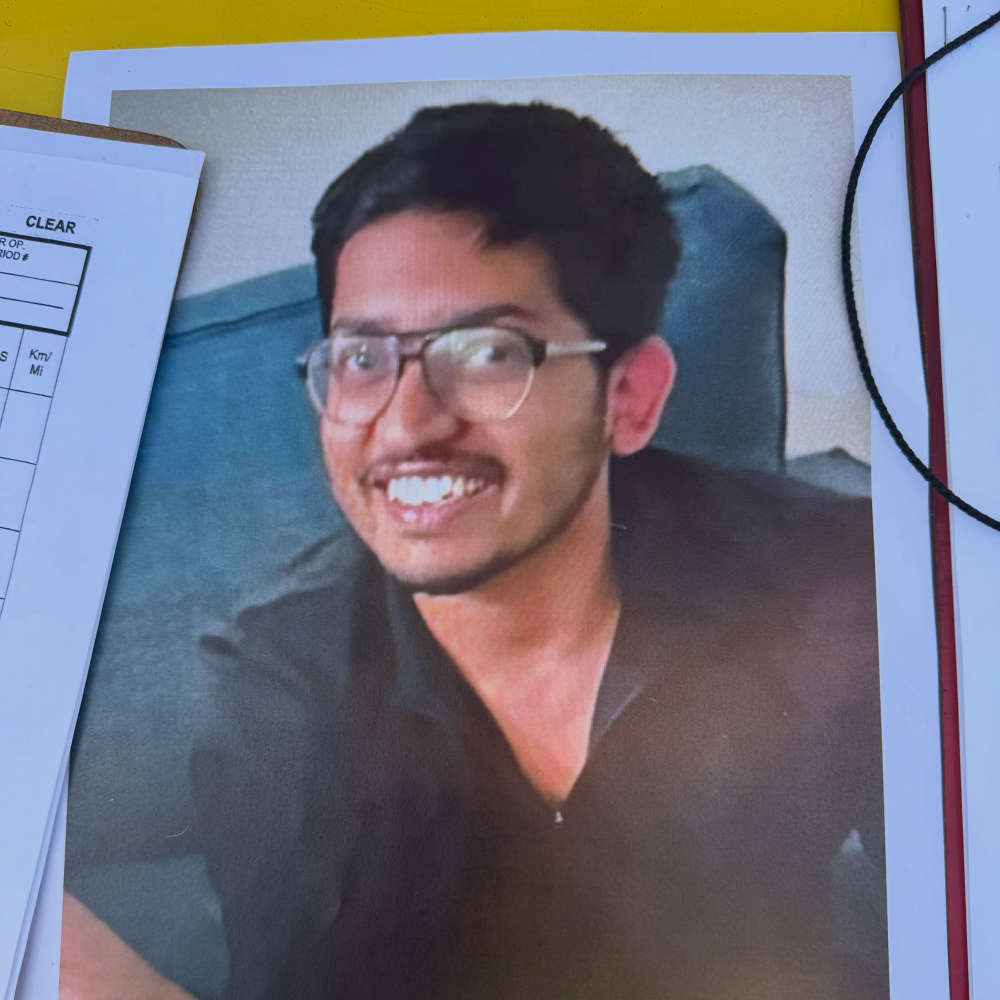 SAR Crews Search For Missing Comox Valley Man
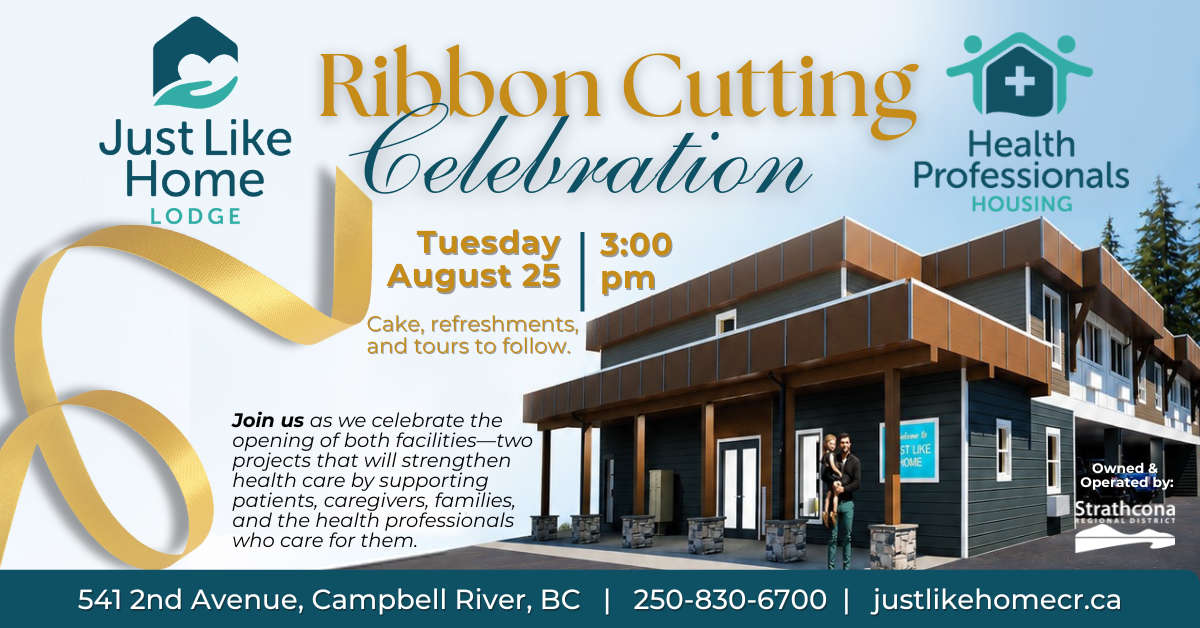 Ribbon Cutting Ceremony This Month For Just Like Home Lodge
 Sportsplex Gym Remains Closed For Continued Floor Refinishing
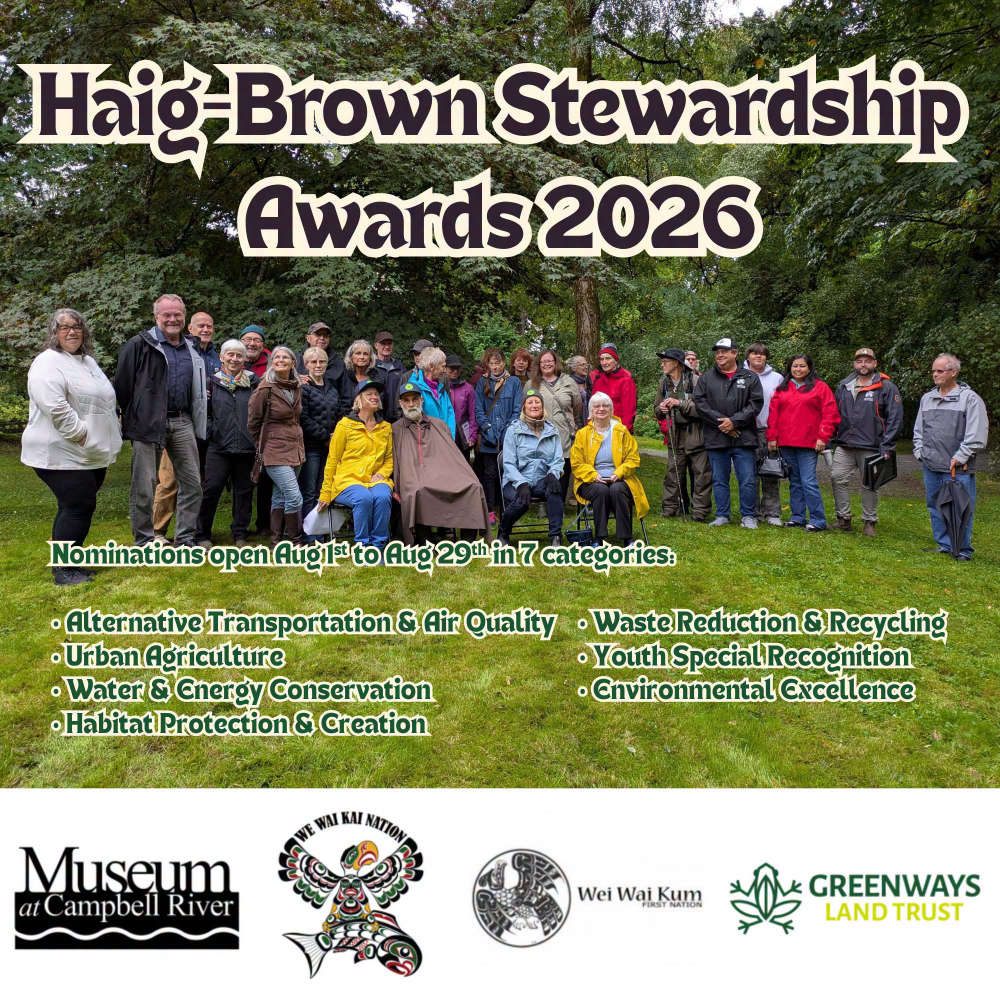 Nominations Open For Haig-Brown Environmental Stewardship Awards
 Province Investing $1 Million To Improve Fish And Wildlife Habitat