


BC Hydro has issued an update on hydroelectric operations following a period of very high inflows.
High amounts of rainfall and mid-to-high elevation snowmelt resulted in very high inflows into the Comox Lake Reservoir.
Inflows peaked on Friday morning with a peak hourly inflow of 520 m3/s and an average daily inflow of 362 m3/s.
While inflows have been receding, they remain high. Saturday’s average daily inflow was 197 m3/s, Sunday’s was 185 m3/s, and yesterday’s average inflow is forecast to be 130 m3/s. Inflows will continue to recede but remain above normal for the next week.
This period of high inflows coincided with high ocean tides and high downstream inflows from the Browns and Tsolum Rivers.
Late Thursday evening, BC Hydro reduced spill from the Comox Dam to approximately 25 m3/s and held this spill magnitude until downstream flows receded.
Crews continue to reduce spill from Comox Dam during high tides, and maximize releases between tide cycles, with spill ranging between 50 m3/s and 200 m3/s.
The Comox Lake Reservoir elevation peaked at 135.1 metres on Sunday, remaining below the free crest spillway of 135.33 metres.
As of Monday, the reservoir was at 135 metres. To lower the reservoir and maintain operational flexibility, crews will be extending their spill release from the Comox Dam through Thursday, and expect spill will be maintained between 50 m3/s and 200 m3/s.
Temporary safety signage remains in place, the public is asked to stay away from the high and dangerous flow along all sections of the Puntledge River through Thursday.
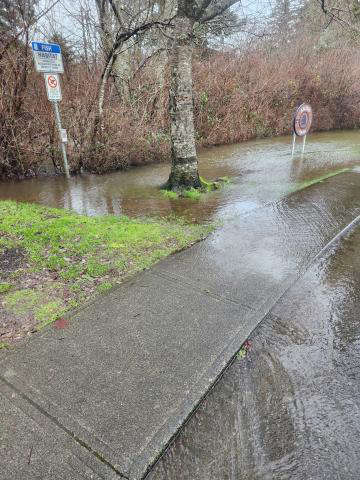 Potential For Water Levels To Rise In Parks
 B.C. Launching Competitive Process For Clean Power In High-Demand Sectors
 Island Health Opens Applications For 2026 Youth Harm Reduction Award
 Freshwater Fishing Licences Move To WILD System For 2026-27 Season
 Van Isle Violet Predicts Six More Weeks Of ‘Winter’