

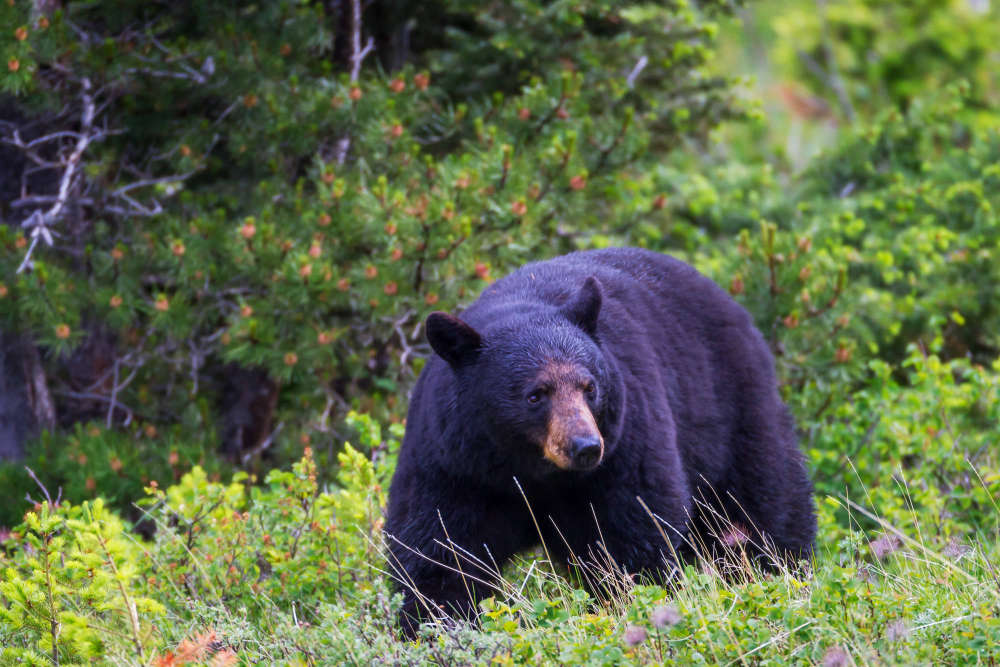
A black bear attack in Cumberland over the weekend sent one person to hospital.
On Sunday, July 19, 2026, two hikers, accompanied by their off-leash dogs, were using the trails near Bevan Wetlands.
The hikers encountered a family of black bears in dense bush while looking for their dogs. One hiker was injured by an adult black bear, was treated in hospital and released.
The BCCOS investigation determined the attack was defensive in nature, and no efforts to locate or capture the bears will be made.
Warning signage has been placed along the trail and nearby trailheads. Conservation officers will continue to monitor bear activity in the area.
In a notice, the Village of Cumberland is advising residents to use extra caution in the Bevan Road area. Residents and visitors are reminded that bears may act defensively when startled, especially when dogs are nearby.
WildSafe BC reminds residents that dogs can increase the risk of conflict with bears, particularly when off leash or not under control.
The Village says dogs should be kept leashed and under control at all times when walking in areas where wildlife may be present.
For added precaution, make noise while walking, especially near blind corners, dense vegetation, or low-visibility areas.
Also, travel in groups when possible, carry bear spray, keep it accessible, and know how to use it.
Community members are advised to watch for signs of bear activity, including fresh scat, tracks, overturned logs, or feeding areas.
For more tips and resources, visit WildSafe BC or call RAPP at 1-877-952-7277.
 Improvements Through BC Parks Licence Plate Program
 British Columbia To Triple Public EV Charging Network By 2035
 Strengthening Emergency Operations Centres In B.C.
 Campbell River RCMP Continue To Investigate Ongoing Break And Enters
 Campbell River Shares Tips To Keep Cool