

British Columbia is moving to permanent, year-round daylight saving time after clocks shift forward on Sunday, March 8, marking the final twice-yearly time change for the province.
When clocks “spring forward” that day, it will be the last time British Columbians adjust their clocks.
The time change previously scheduled for November 1st will no longer happen. Instead, the province will remain on the new year-round Pacific time.
The province says people and businesses will have eight months to prepare for the elimination of the fall time change.
“Every parent knows that changing clocks twice a year causes a significant amount of chaos on already busy lives. British Columbians have been clear that seasonal time changes do not work for them,” said Premier David Eby.
“This decision isn’t just about clocks. It’s about making life easier for families, reducing disruptions for businesses and supporting a stable, thriving economy. I am hopeful that our American neighbours will soon join us in ending disruptive time changes.”
The province had been delaying bringing the change into force in hopes of coordinating with neighbouring U.S. states in the same time zone.
The province now says recent actions in the United States have shifted how B.C. approaches alignment on certain decisions, including time zones.
The province says it will work with organizations, small businesses and public-sector partners between now and November to ensure a smooth transition.
Some eastern B.C. communities that observe mountain time will not be directly affected. Dawson Creek, which observes mountain standard time year-round, will align with most of the province in both winter and summer.
Communities such as Cranbrook that switch between mountain standard and daylight time will match the rest of B.C. in winter but be one hour ahead in summer.
Under the new system, Pacific time will align year-round with Yukon. From November through March, it will match Alberta and other regions on mountain standard time.
From March through November, it will align with California, Washington and Oregon, which are also exploring similar changes.
To learn more, visit Government of British Columbia.
 School District 72 and RCMP response to threats at local schools
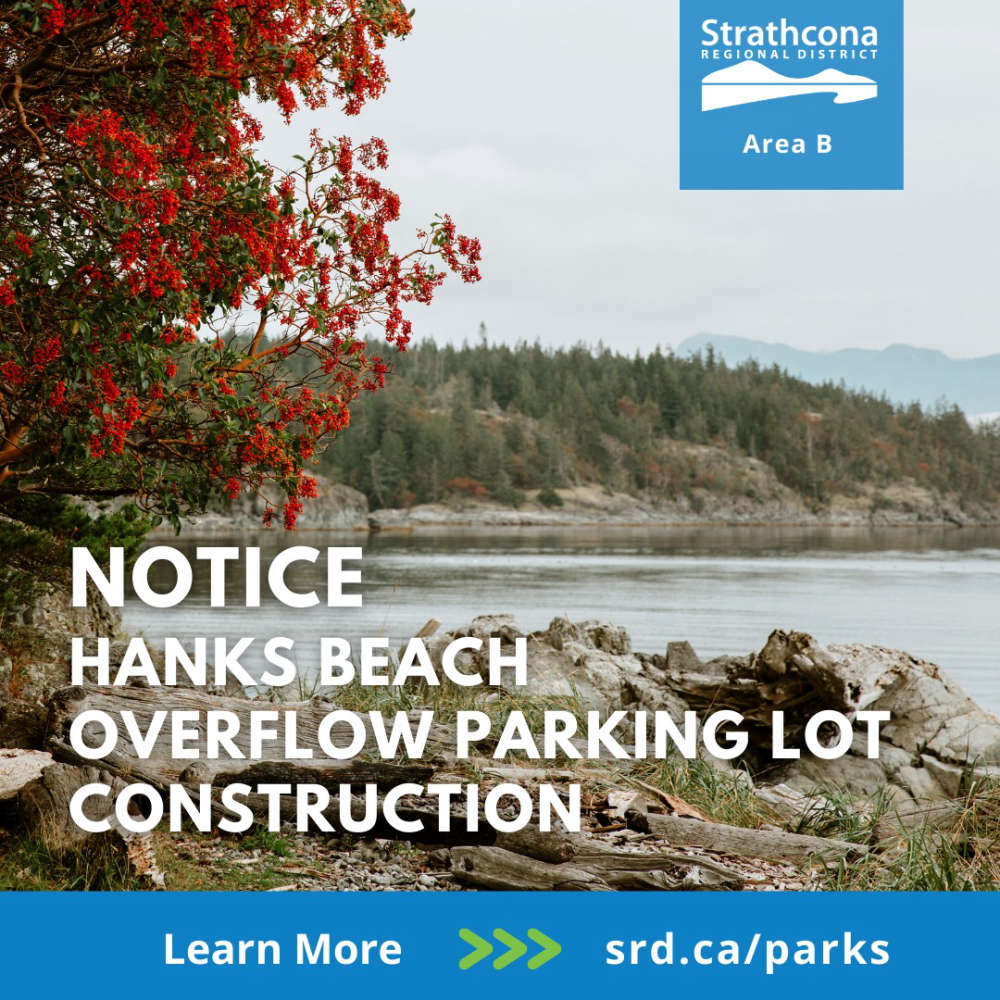 Hanks Beach Overflow Parking Lot Construction
 City Of Courtenay Hosting Second Open House On Safe And Active Schools Program
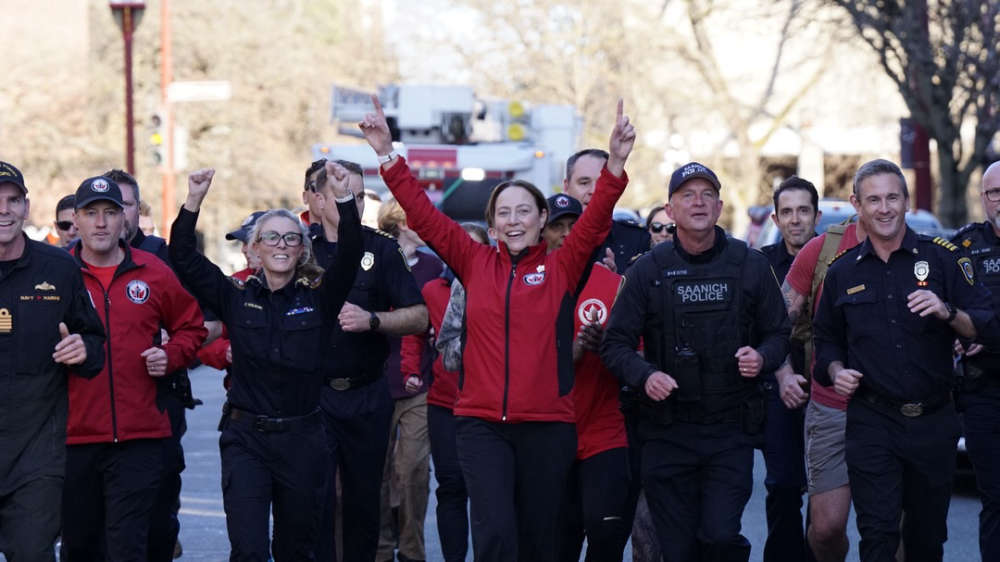 Wounded Warrior Run Raises $283,239
 Successful Coldest Night Of The Year Events On The Weekend