CKCC The Raven 100.7
Search
13th Annual Wounded Warrior Run BC
Next: Saturday, February 21, 2026
Runs until Sunday, March 1, 2026 (See all dates)
- Time
- 8:00 AM - 10:00 PM
- Price
- By Donation
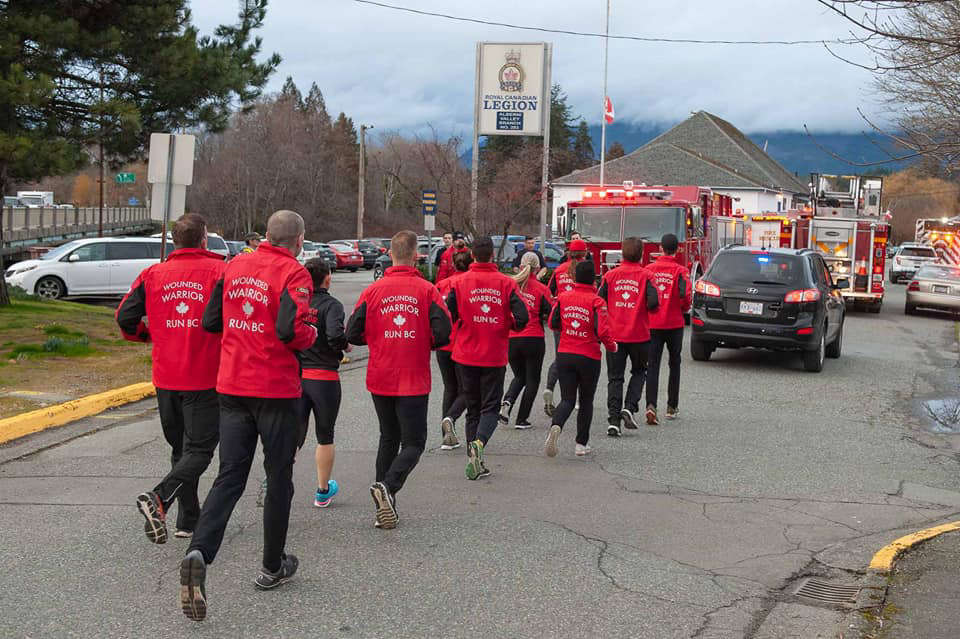
February 21st-March 1st, it’s the 13th annual Wounded Warrior Run BC.
More Information (CKCC The Raven 100.7 is not responsible for external websites)
The event was initiated in 2013 by 2 Canadian Armed Forces members, aiming to raise funds & awareness for Wounded Warriors Canada. Over the years, it’s grown into an annual event, where a dedicated team of 8 runners takes on a relay-style challenge, traversing the entire length of Vancouver Island over 8 consecutive days, covering 800 kilometers with the goal of raising $250,000. This year’s run begins in Port Hardy, February 21st & ends in Victoria March 1st. All proceeds raised along the way benefit Wounded Warriors Canada, a national mental health service provider specializing in group-based, residential trauma therapy programs for injured Veterans, First Responders & their family members. See the event schedule below:
February 21st / Port Hardy
February 22nd / Port McNeil
February 23rd / Woss /Sayward
February 24th / Campbell River
February 25th / Oyster Bay / Comox
February 26th / Cumberland / Bowser /Port Alberni /Qualicum Beach
February 27th / Parksville/ Lantzville / Wellington
February 28th / Nanaimo / Ladysmith / Chemainus / Duncan
March 1st / Mill Bay / Langford / Esquimalt / Victori
To find out more, or to donate to a runner or team, visit Wounded Warriors Run BC.
Share
Dates
The event runs from 8:00 AM to 10:00 PM on the following dates.
Select a date to add this event to your calendar app.
Events
-
New Acquisitions
New Acquisitions shines a spotlight on recent donations to the museum collection
at Courtenay And District Museum And Palaeontology Centre -
13th Annual Wounded Warrior Run BC
February 21st-March 1st, it’s the 13th annual Wounded Warrior Run BC.
-
Campbell River-Opoly
Saturday, February 21st, Habitat for Humanity Vancouver Island North presents the 5th Annual Campbell River-Opoly Fundraiser at their new location at Painter’s ...
at Painters Lodge
Keeping Our Word
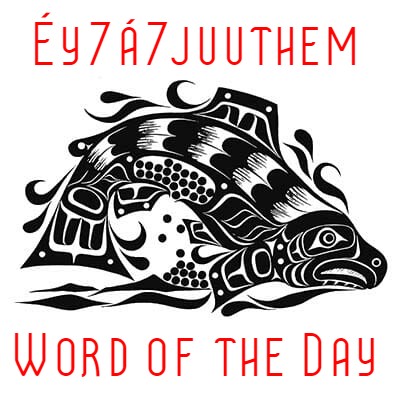
The word "éy7á7juuthem" means “Language of our People” and is the ancestral tongue of the Homalco, Tla’amin, Klahoose and K’ómoks First Nations, with dialectic differences in each community.
It is pronounced "eye-ya-jooth-hem."